
Planting Native Hedgerows for Shelter and Wildlife
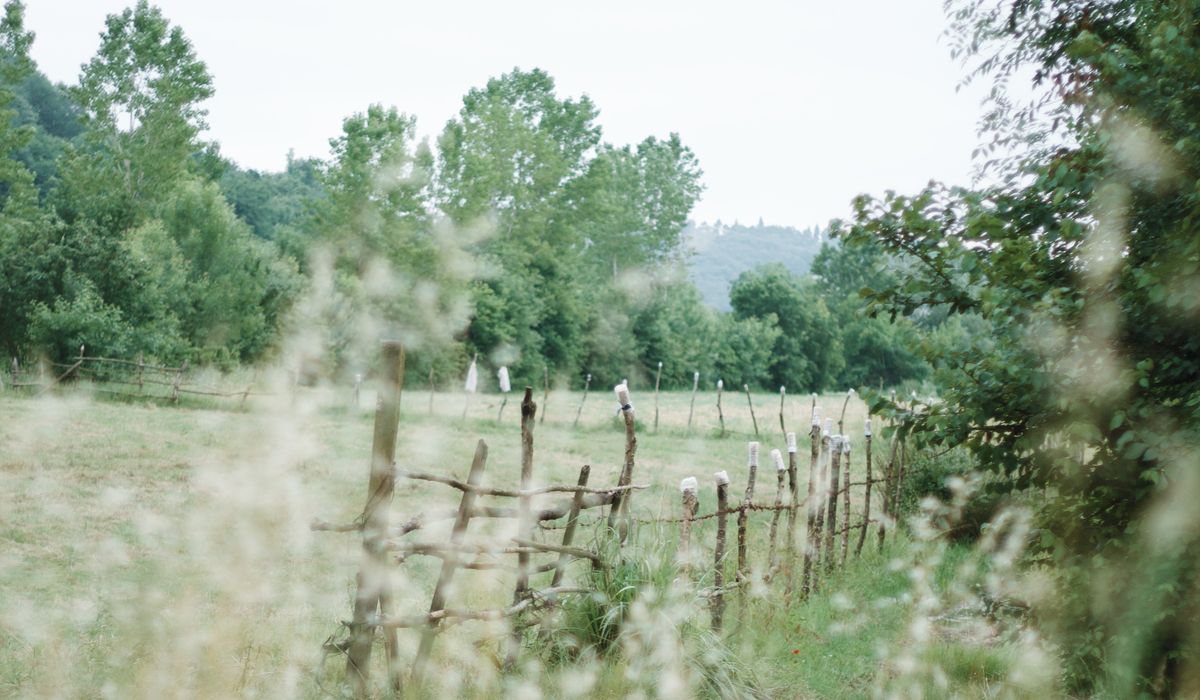
Why a Mixed Native Hedge Beats a Fence
A single-species run of Leylandii or a post-and-rail fence will do one job, and only one. A mixed native hedge does half a dozen at once. It slows the wind rather than blocking it, which matters more than most people realise: a hedge that is roughly 50 per cent porous knocks the sting out of a gale without creating the vicious downdraught you get on the leeward side of a solid barrier. Shelter extends downwind for something like ten to twenty times the height of the hedge, so a two-metre hedge can protect a good forty metres of ground.
Add to that the nesting cover, the autumn berries, the early blossom for pollinators and the sheer depth of colour along a field edge, and the case makes itself. A native mix also tends to outlive whatever is fashionable at the time, because every species in it is already suited to our soils and our weather.
The Three Backbone Species
If you plant nothing else, plant these three. They cover shelter, structure and wildlife value between them, and they will all cope with a British field boundary.
- Hawthorn (Crataegus monogyna) — the workhorse of the countryside hedge. Dense, thorny, quick to establish and almost impossible to kill. May blossom feeds early insects, and the haws see blackbirds and fieldfares through the winter.
- Hazel (Corylus avellana) — good for a slightly damper or heavier soil, and the one that gives you something back. Lamb's-tail catkins in February, hazelnuts in September, and straight rods that are a pleasure to cut for bean poles and pea sticks.
- Blackthorn (Prunus spinosa) — the earliest show of the year, with clouds of white flower on bare wood in March and April. It suckers freely, which makes it excellent for filling gaps and providing thick, protected nesting sites, and the sloes are a bonus for gin and jam.
Round them out with field maple, holly, dog rose, guelder rose, spindle, crab apple and dogwood. Aim for at least five species in any one length; a hedge with seven or eight is better still, because different plants flower and fruit at different times and no single bad season wipes out the whole larder.
Marking Out the Line
Walk the boundary before you dig anything. A hedge needs light along its length, so if there are mature trees overhead, shift the line out from under them. Leave enough room for a mower or strimmer to pass on both sides — a strip of 60cm either side, kept clear of grass and weeds, is the single biggest factor in whether whips survive their first summer.
On a sloping or exposed site, run the hedge across the prevailing wind rather than along it. Check for buried services, drains and field margins under agri-environment schemes before you commit, and give the hedge room to grow outwards as well as upwards. If it is going beside a footpath or a road, think now about how wide it will be in fifteen years.
Planting Bare-Root Whips
Bare-root whips go in between November and March, whenever the ground is workable and not frozen or waterlogged. They are cheaper than container-grown stock and establish better, provided you keep the roots damp from the moment they arrive to the moment they are in the soil.
For a stock-proof, wildlife-friendly hedge, plant a double staggered row: rows 40–45cm apart, plants 30–45cm apart within the row, offset so the second row sits between the plants of the first. For a lighter garden boundary, a single row at 30cm spacing is fine. Dig a trench or individual holes to the depth of the root collar — the point where the stem meets the roots should sit just below soil level.
- Firm the soil in properly with your heel; air pockets kill more whips than frost does.
- Fit a spiral guard and a cane to each plant where rabbits, deer or hares are about.
- Mulch with well-rotted bark chip or plant through a woven membrane to hold back the grass.
- Water well in a dry spring, and keep watering through the first two summers if the site is light or sandy.
The First Three Years
Cut newly planted hawthorn, blackthorn and hazel back hard in their first winter, to around 15cm above ground. It feels brutal, but it forces branching from the base and you end up with a thick, bushy hedge instead of a row of thin sticks. Do the same again lightly the following winter, then let it grow.
Weed control matters more than feeding. Keep that clear strip open with a strimmer or hoe through the growing season, and the whips will put on 30–60cm a year without any help. Top up the mulch annually and replace any failures the following winter.
Trimming and Laying for the Long Term
Once established, resist the urge to cut every year. Trimming annually with a flail gives you a neat box hedge with few flowers and no berries, because you remove the previous season's growth before it can fruit. A two or three-year rotation, cutting in late January or February, keeps the hedge dense while leaving plenty of wood to flower and fruit. Never cut between March and August — that is peak nesting season and you will do real damage.
Better still, consider laying. Cutting partway through the stems and bending them over, then binding the top with hazel or willow rods, renews a hedge from the base and gives you the dense, stock-proof structure that has lasted centuries in our landscape. Lay a section every ten or fifteen years, working along the hedge a stretch at a time, and you will have shelter, colour and wildlife along that field edge for the rest of your life.


Regular soil tests reveal nutrient gaps and pH imbalances, helping you choose suitable fruit trees and improve long-term yields.
Stock-proof fencing needs sturdy posts, correct wire spacing, and suitable gates to keep animals safe and secure throughout the year.
Registering a smallholding involves mapping boundaries, confirming land use, and notifying the relevant rural agencies before stock arrives.
Track hay, straw, and compound feed prices across the year to avoid winter shortfalls and keep livestock condition steady.