
How to Register a New Holding with Rural Authorities
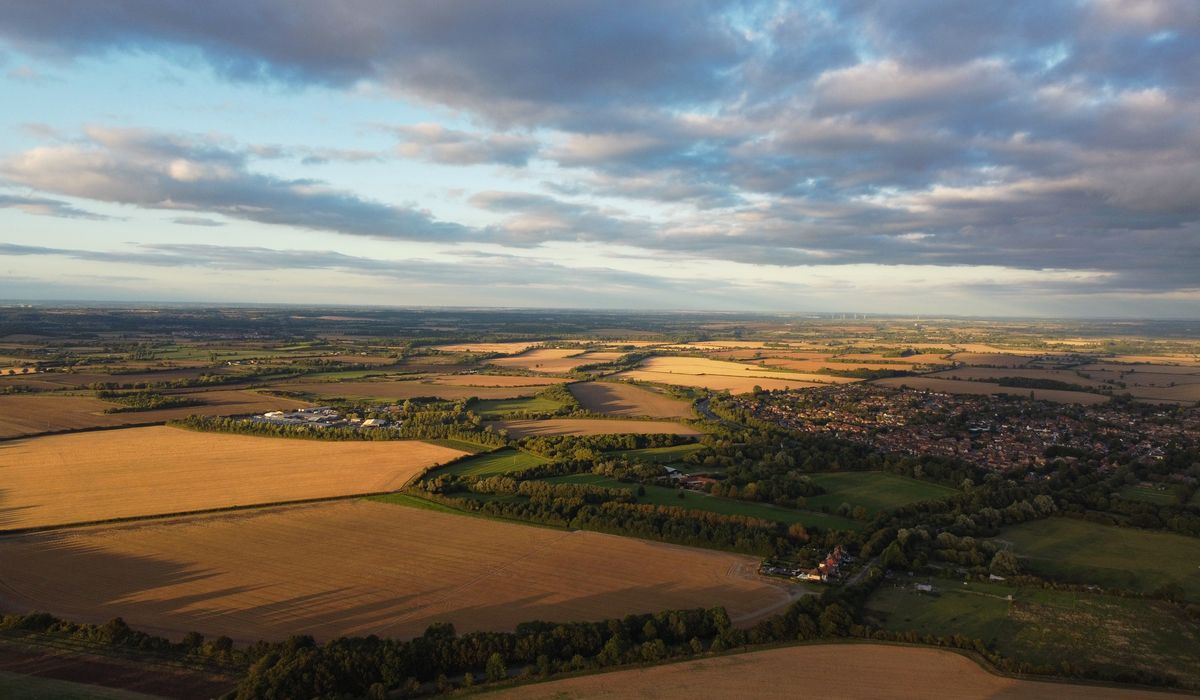
Taking on a new piece of land is one of the most exciting steps in countryside living, whether you have inherited a few paddocks, bought a run-down smallholding, or are simply expanding onto a neighbouring field. Before the first trailer of fencing arrives, or the first pair of ewes steps onto the grass, there is a quiet administrative job to be done. Registering your holding properly protects you, keeps your future subsidy and grant claims valid, and makes it far easier to sell stock or move animals without awkward phone calls.
Why registration comes before anything else
In the UK, land used for agriculture is tracked through a series of registers. Until your holding exists on paper, you cannot legally move cattle, sheep, goats or pigs onto it, you cannot apply for most rural grants, and you may struggle to prove that your land use is genuinely agricultural for tax and planning purposes. Registration also triggers a unique holding number, which becomes the reference used by vets, markets, abattoirs, and inspection bodies for years to come.
The order matters. Map the land, confirm its use, notify the relevant bodies, and only then bring in livestock. Trying to do it the other way round usually means a rushed phone call and a delay of several weeks.
Mapping your boundaries accurately
Start with the paperwork you already have. Dig out the title plan, any conveyance documents, and the field parcel numbers from the previous owner. Walk the boundary with a printed plan in hand and check every fence line, gateway, and hedge against what is drawn. Discrepancies are common, especially on older holdings where a strip of land has been absorbed into a neighbour's field or a track has quietly changed course.
- Mark the total area in hectares, not acres, as this is the unit used on most official forms.
- Identify each field parcel separately, including woodland, rough grazing, and any land that is currently out of production.
- Note permanent features such as ponds, buildings, tracks, and areas of scrub that may not count as eligible agricultural land.
- Check for rights of way, easements, and shared access tracks, as these can affect what you are permitted to do.
If the boundaries are unclear or disputed, deal with it now. A conversation with a neighbour over a gatepost is far cheaper than a boundary correction later.
Confirming land use and classification
Not all rural land is treated the same. Agricultural land, forestry, amenity grassland, and equestrian paddocks all sit in slightly different categories, and the category affects both your obligations and your eligibility for support. Land that has been left fallow or used for horses may need to be reclassified before it counts as agricultural.
Be honest about what you intend to do. A smallholding running a handful of hens and a vegetable patch is a different proposition from one grazing thirty cattle. Your land use declaration should reflect realistic stock numbers and cropping plans, because inspections later on will compare the two. If you plan to convert a barn, plant trees, or create a pond, mention it, as these changes may need separate consents.
Notifying the rural authorities
Once your map and land use are settled, the notifications begin. In practice, most new holdings need to contact a small number of bodies, each with a distinct role.
- The rural payments body for your part of the UK, which allocates your holding number and maintains your land parcel records for grants and area-based payments.
- The animal health authority, which issues a county parish holding number and registers you for livestock movements, herd or flock marks, and tuberculosis testing if you keep cattle or other tested species.
- The environmental regulator, if you plan to store slurry, spread fertiliser, abstract water, or carry out work near a watercourse.
- Your local authority, for matters such as business rates, planning permission, and any change of use on buildings or land.
Keep copies of every form and reference number in one folder. When a vet asks for your holding number or a market needs your herd mark, you will not want to be searching through emails.
Timing, inspections, and the first stock
Allow more time than you think you need. A straightforward registration can be completed in a few weeks, but anything involving boundary queries, reclassification, or a new herd mark can take considerably longer. If you are buying stock at a seasonal sale, work backwards from that date and start the paperwork at least two months ahead.
A inspection is not a punishment, and a short visit early on is often the easiest way to confirm that your records match reality. Have your field parcel map, movement records, and medicine book ready, even if they are almost empty. Inspectors are generally helpful to newcomers who have made an honest effort.
Finally, remember that registration is not a one-off task. Stock numbers change, parcels are sold or rented, and buildings are converted. Update your records as things happen, and the annual paperwork becomes a brief tidy-up rather than a panic. Get the foundations right at the start, and your holding will be ready for whatever the seasons bring.


A shallow pond with native plants and gently sloping edges attracts frogs, dragonflies, and birds while fitting quietly into a rural garden.
Rotational coppicing lets you harvest poles for fuel while opening the canopy for woodland flowers, insects, and nesting birds.
Ask about previous hedges, insurance, and seasonal timing before hiring a contractor to restore overgrown field boundaries properly.
Improve clay by adding compost, avoiding compaction, and planting sturdy crops while the soil structure gradually becomes more workable.