
How to Make Homework More Useful and Less Stressful
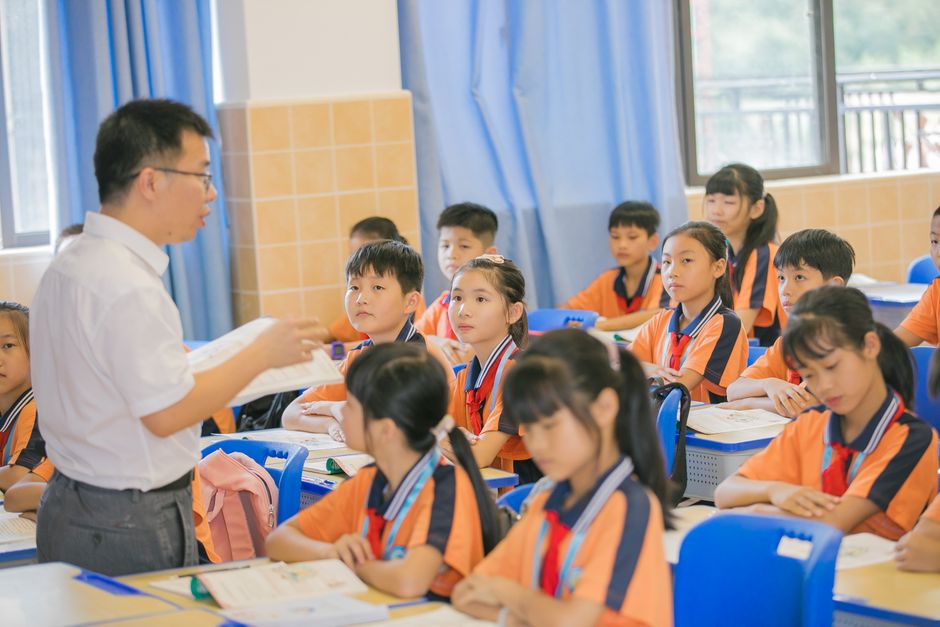
Start with purpose, not quantity
Homework has a strange reputation. For some families, it is a nightly battle; for others, it is a quiet tick-box exercise that nobody quite believes in. Yet homework can be genuinely useful when it has a clear purpose. Before setting or supervising it, ask a simple question: what is this task meant to achieve? If the answer is simply to fill time, it is probably not worth the friction. If it helps pupils recall key facts, practise a skill they have just learnt, or prepare for the next lesson, it earns its place.
That distinction matters because busy work can crowd out rest, reading for pleasure, and family time. A shorter, sharper task is often more valuable than a long worksheet completed in a hurry. Teachers can make this easier by explaining the point of the task in one sentence, and parents can support by asking their child what the task is helping them to get better at.
Build a calm, predictable routine
Many homework problems are not really about the work itself. They are about timing, tiredness, hunger, and the sudden discovery at nine o'clock that a project is due tomorrow. A predictable routine removes some of that friction. Try to keep the same time and place for homework where possible, with phones out of reach and a glass of water nearby. The kitchen table is fine. A dedicated study is not required.
It also helps to agree on a realistic starting point. Some children need a snack and ten minutes of movement before they can concentrate. Others work best straight after school. The routine does not have to be perfect, but it should be consistent enough that homework becomes part of the day rather than an ambush. A good companion resource on this is What is a joint honours degree?.
Use retrieval practice, not just re-reading
One of the most useful things research has given us is the reminder that rereading notes and highlighting pages feel productive but are often quite weak. Retrieval practice, trying to remember something without looking, is more effortful, and that effort is part of why it works. A child who closes the book and writes down three key ideas is likely to remember more than a child who reads the same page three times.
This can be simple at home. Ask your child to explain a topic to you in their own words. Use quick questions from memory before checking the answers. Encourage them to make a short quiz for themselves, then attempt it a day later. These small acts of recall strengthen memory far more than passive review.
Keep feedback timely and specific
Feedback does not need to be a full page of red pen. In fact, too much feedback at once can be overwhelming. What helps is feedback that is specific, kind, and actionable. Instead of saying 'this is good', try 'your opening sentence makes the argument clear; now check that each paragraph supports it'. Instead of 'you need to try harder', try 'show your working for the last three questions so we can see where it went wrong'.
Timing matters too. Feedback given a week later often arrives after the moment has passed. Where possible, mark or discuss the work soon after it is completed, while the thinking is still fresh. Parents can help by asking their child to identify one thing they would change if they did the task again.
Make room for independence
Support should not become takeover. If an adult sits beside a child and corrects every line, the work may look better, but the child learns less about planning, persistence, and problem-solving. A useful rule is to help with the process rather than the answer: ask questions, check understanding, and encourage a first attempt before offering more direct guidance.
- Ask what the task is asking them to do before they begin.
- Encourage them to try the first question alone.
- If they are stuck, ask them to explain what they have tried so far.
- Let them hand in work that is good enough, not artificially perfect.
Independence also means allowing mistakes to surface. A wrong answer is useful information for a teacher. A polished answer produced by a parent hides the learning that still needs to happen.
A final word
Homework will never be everyone's favourite part of the day, and it does not need to be. But it can be more purposeful, calmer, and more effective with a few small adjustments. Focus on quality over quantity, build a routine that respects tiredness, use recall rather than rereading, give feedback that is specific, and resist the urge to take over. Those changes are not dramatic, but they are the kind that make a real difference over time.


Registering a smallholding involves mapping boundaries, confirming land use, and notifying the relevant rural agencies before stock arrives.
Track hay, straw, and compound feed prices across the year to avoid winter shortfalls and keep livestock condition steady.
A shallow pond with native plants and gently sloping edges attracts frogs, dragonflies, and birds while fitting quietly into a rural garden.
Rotational coppicing lets you harvest poles for fuel while opening the canopy for woodland flowers, insects, and nesting birds.