
iGaming in 2025: Slots, Poker, and the New Rules of Play
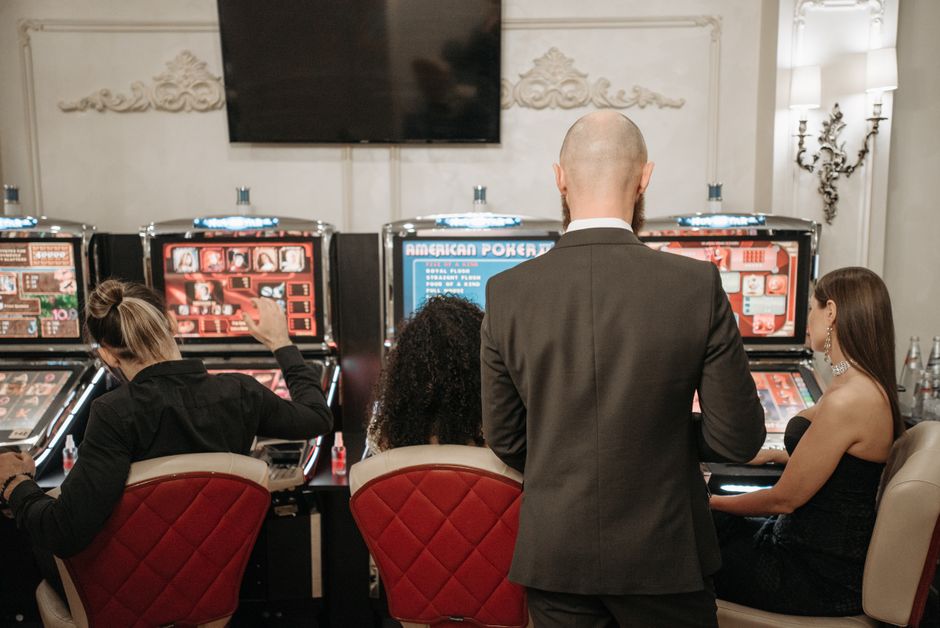
Five years ago, the average online casino player spun slots on a desktop browser, waited two days for a withdrawal, and hoped the site's live chat wasn't staffed by a bot named Steve. Today, your phone is the casino, payouts often clear in under an hour through crypto rails, and the biggest battle in iGaming isn't between casinos at all — it's between operators and regulators, and increasingly, between operators and their own margins. If you play slots, poker, or sports, the ground has shifted under your feet. Here's what actually matters right now.
The Slot Floor Moved Into Your Pocket
Slots remain the cash cow of iGaming, generating roughly 60-70% of online casino revenue in most regulated markets. But the experience has fractured. Gone are the days when a single 96% RTP slot dominated the lobby. Today operators push high-volatility Megaways titles and bonus-buy features because they hold attention, not because they're generous. A Pragmatic Play or Hacksaw release can swing from 5,000x max win to a 1,200x cap depending on the jurisdiction and the operator's configuration.
The practical takeaway: RTP varies by operator. The same Book of Dead can run at 96.2% on one site and 94.4% on another. If you're a long-term player, that 1.8% gap is the difference between a grind and a bleed. Always check the game's help screen or the operator's published RTP table before you commit a bankroll. Before making a choice, it helps to review World Cup 2026.
Bonus buys: math vs. marketing
Feature buys look like a shortcut, but they're priced with a house edge baked in. A typical 100x buy on a high-volatility slot carries an RTP between 95% and 96.5% — slightly worse than base spins in many cases, but with lower variance. If you're chasing a specific outcome (a jackpot trigger, a multiplier round), the buy is a tool. If you're chasing entertainment, base spins give you more time on the reels for the same money.
- Check RTP per game, not per site. Menu-level RTP displays are often averaged or hidden.
- Set a session loss cap before you spin. Volatility means a 200-spin cold streak is normal, not a sign to double down.
- Use demo modes to scout mechanics. Free spins on a provider's site reveal the true frequency of bonuses.
Live Poker Is Thriving — But Not Where You Think
Online poker's post-Black Friday narrative was supposed to be a slow decline. Reality: the game is booming in regulated US states, Brazil, and parts of Asia, but traffic has migrated from traditional cash games to fast-fold formats and tournament satellites. GGPoker and PokerStars dominate global liquidity, while WSOP.com and BetMGM run dedicated US pools. The result is a fragmented ecosystem where a $2/$5 regular in New Jersey can't sit with a player in Ontario — unless both are on the same shared liquidity network.
For recreational players, this fragmentation is actually good. Softer fields persist in segregated markets because the same regs can't hop pools. The trade-off is thinner tables and fewer high-stakes options. If you're grinding micro-stakes tournaments, the overlays in smaller US state pools are frequently +EV — a $50 buy-in with a $10,000 guarantee that only attracts 150 runners is a gift.
- Track your ROI by format. Fast-fold win rates don't translate directly to deep-stack MTTs.
- Exploit the bubble. Satellite bubbles in segregated markets are softer than global fields.
- Mind the rake. US-facing sites often charge 5-10% with caps; global sites trend lower.
Sports Betting Is Where the Real Money (and Trouble) Lives
If slots are the casino's engine, sports betting is the growth rocket — and the regulatory headache. In the US, handle has surpassed $120 billion annually across legal states, yet operators like DraftKings and FanDuel still fight for every basis point of hold. Promotional spend is brutal: a single NFL Sunday can cost an operator millions in boosted odds and risk-free bets.
For bettors, the edges have narrowed. Closing line value (CLV) is now the sharpest predictor of long-term profitability. If you consistently beat the closing line by 1-2%, you're winning regardless of short-term variance. The tools to do this are accessible: odds comparison sites, injury reports, weather models. What's not accessible is volume — limits get slashed fast on winning accounts, often to pennies on major markets.
Practical tip: spread action across multiple books. A $200 max bet on one site can become a $2,000 position across five. And never underestimate the value of a slow-paying book that hasn't updated its lines — those stale numbers are where the real arbitrage lives.
The Regulatory Squeeze Is Reshaping the Whole Industry
UKGC, MGA, and state-level US regulators are tightening the screws on advertising, affordability checks, and bonus terms. The UK's 2023 stake limits on online slots (£2 for under-25s, £5 for adults) cut operator revenue but also cleaned up predatory mechanics. In the US, states like Massachusetts and Ohio now require pre-commitment tools and mandatory cool-off periods.
What this means for players:
- Fewer but better bonuses. Regulators are banning wagering traps, so sign-up offers are becoming cleaner and smaller.
- Faster withdrawals. KYC requirements are front-loaded, but once verified, payouts are quicker.
- More self-exclusion tools. Deposit limits, session timers, and reality checks are now standard, not optional.
The flip side is a more fragmented global market. A player in Ontario can't use a Curacao-licensed site anymore, and a Brazilian player faces strict new licensing from 2025. The grey market is shrinking, and that's mostly a good thing — but it also means your favorite offshore book may disappear without warning.
What Actually Wins in 2025
If there's a unifying theme across slots, poker, and betting right now, it's this: operators are competing on speed and experience, not on generosity. Payout times, mobile UX, and live dealer quality are the battlegrounds. Bonuses are smaller and more conditional. RTPs are stable but less transparent than they should be.
For the player, the winning strategy is boring but effective: shop RTPs, spread your action, track your CLV in betting and your ROI in poker, and treat slots as entertainment with a known cost per hour. The people who lose long-term are the ones who chase. The ones who win treat iGaming like any other market — with discipline, data, and a healthy respect for the edge working against them.
And one last thing: the house doesn't always win because it cheats. It wins because it outlasts. Your edge is in your patience and your spreadsheets, not your gut. Play like it.


Registering a smallholding involves mapping boundaries, confirming land use, and notifying the relevant rural agencies before stock arrives.
Track hay, straw, and compound feed prices across the year to avoid winter shortfalls and keep livestock condition steady.
A shallow pond with native plants and gently sloping edges attracts frogs, dragonflies, and birds while fitting quietly into a rural garden.
Rotational coppicing lets you harvest poles for fuel while opening the canopy for woodland flowers, insects, and nesting birds.